Clover Power Station Upgrade, Kiewa Valley
BackStructural engineering for the Modernisation of an 80-year-old hydropower station
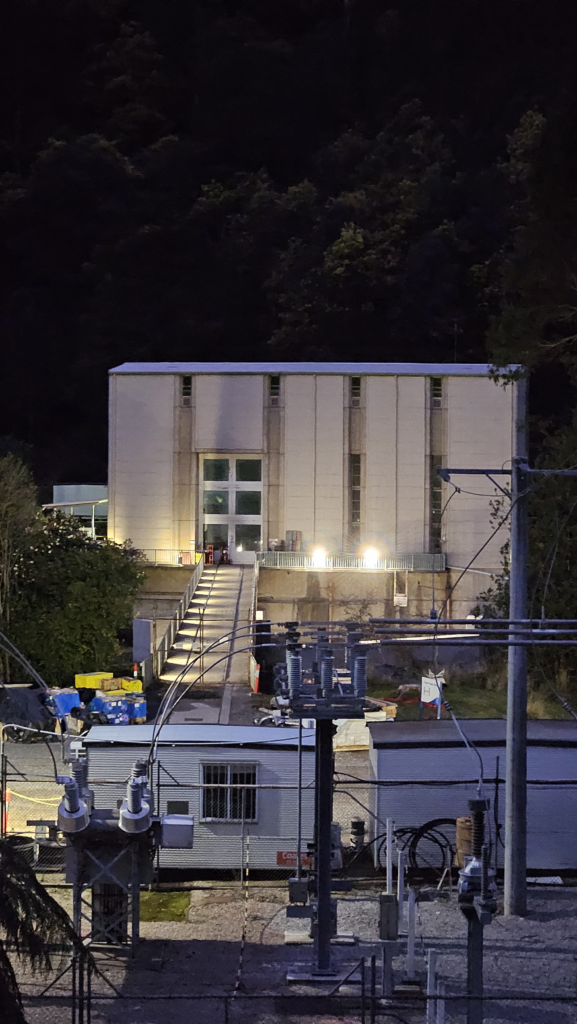
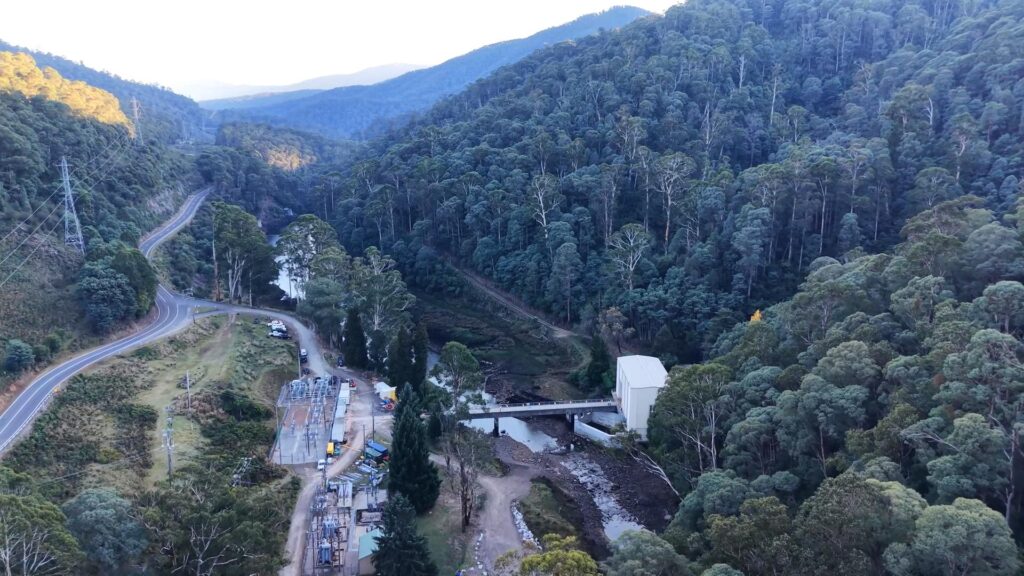
Clover Power Station has been generating renewable energy in Victoria’s Kiewa Valley since 1945. As the oldest station in the Kiewa Scheme, it has served the grid for eight decades. AGL’s $50 million modernisation program set out to install new turbines, generators, and inlet valves, extending the station’s operational life and increasing its performance. The engineering challenge was significant: retrofitting modern equipment into a reinforced concrete structure built before current codes existed.
KUSCH was engaged to deliver the structural engineering across the full program, working through the complexity of an 80-year-old asset without the luxury of assuming anything about what was already there.
Project Overview
- Client: AGL
- Location: Kiewa Valley, Victoria
- Program value: $50 million
- Duration: 2.5 years
- KUSCH’s Role: Structural engineering across permanent works, temporary works, and construction engineering
Project Challenges
- Verifying new loads against an existing reinforced concrete structure designed before current codes
- Establishing actual material properties in an 80-year-old structure without original test data
- Coordinating permanent and temporary works, rigging, and construction engineering across a complex brownfield program
- Retrofitting new mechanical plant into a confined, heritage powerhouse structure with limited modification options
Solutions Engineered by KUSCH
1. Tail bay wall height extension
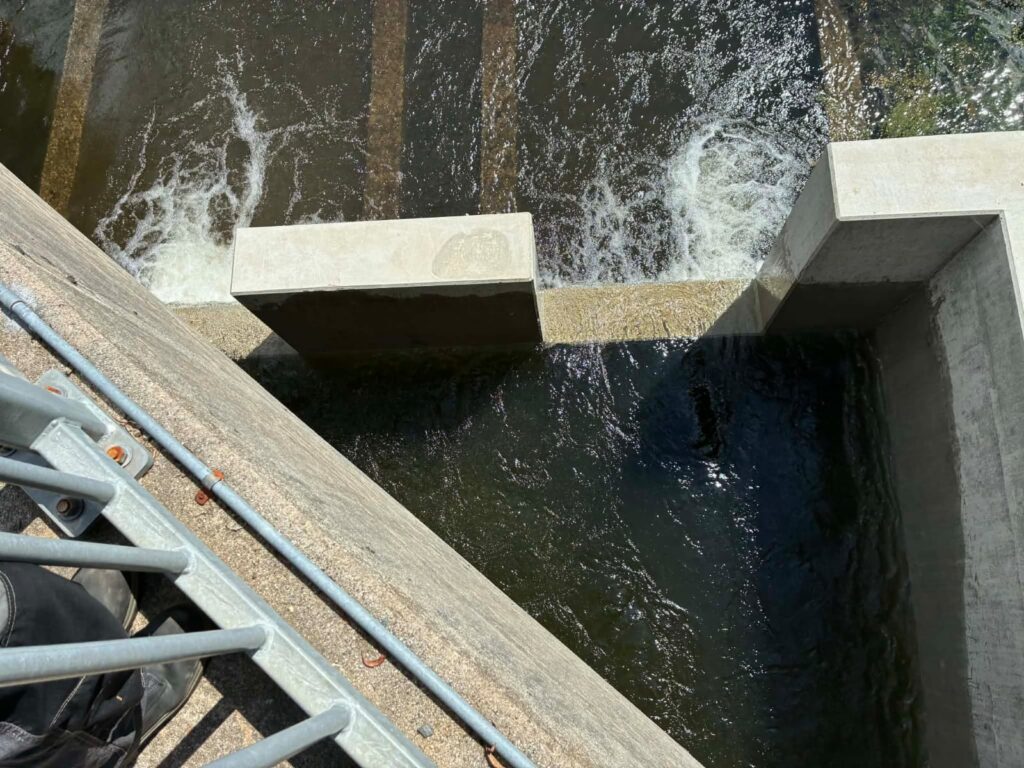
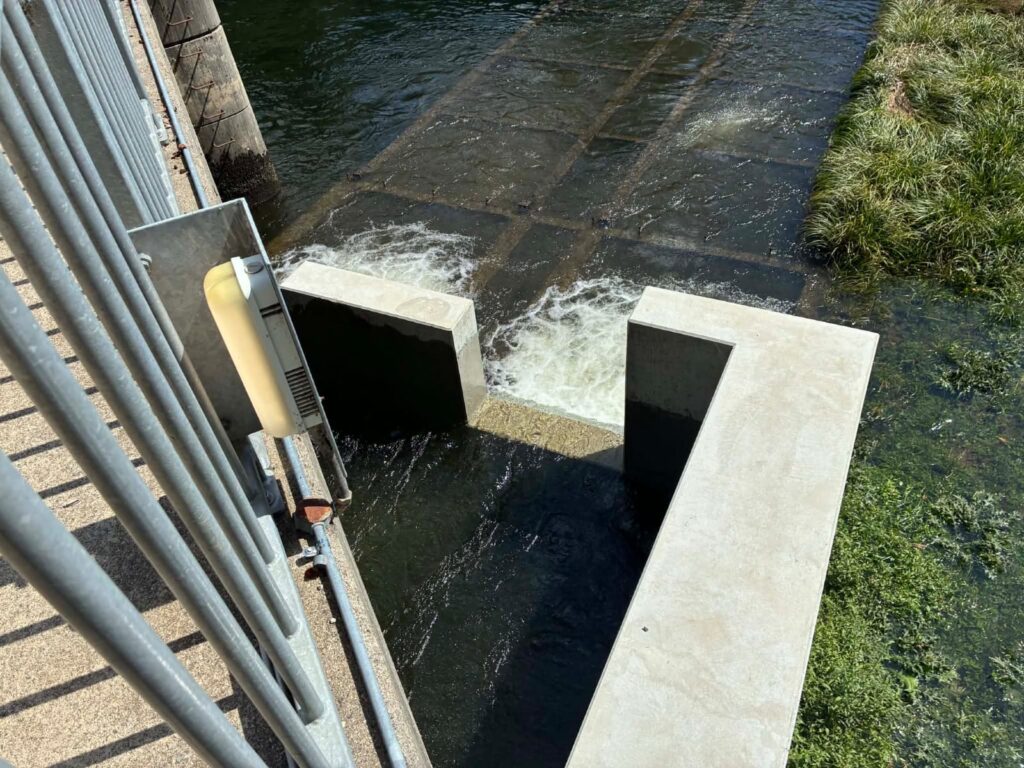
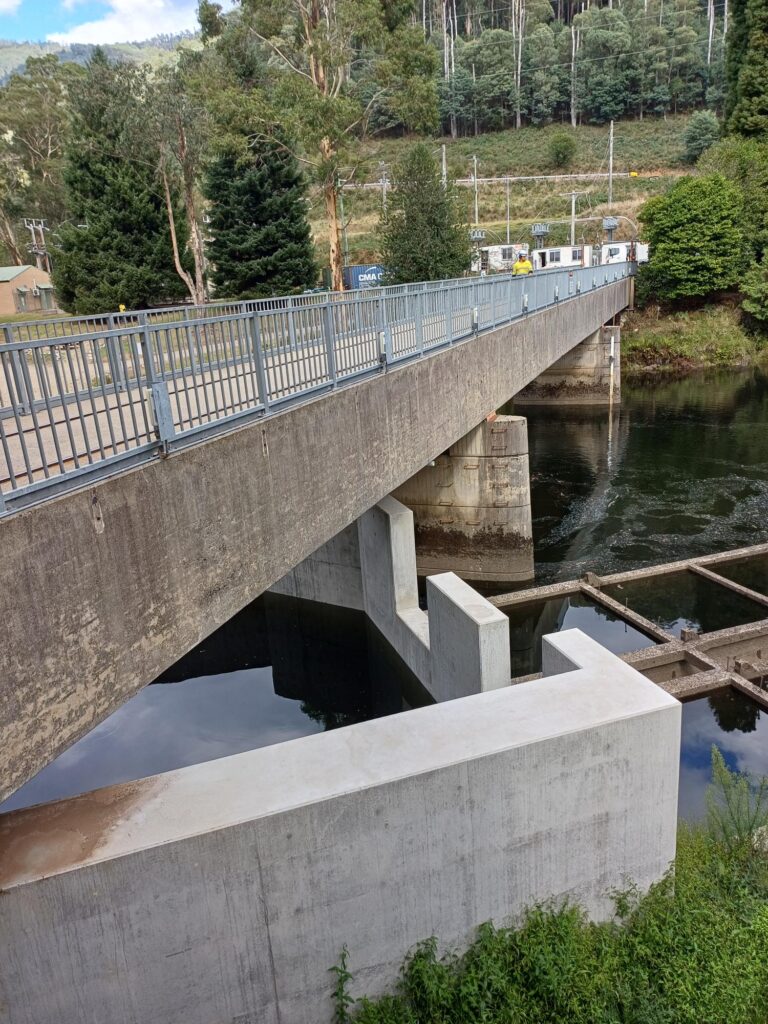
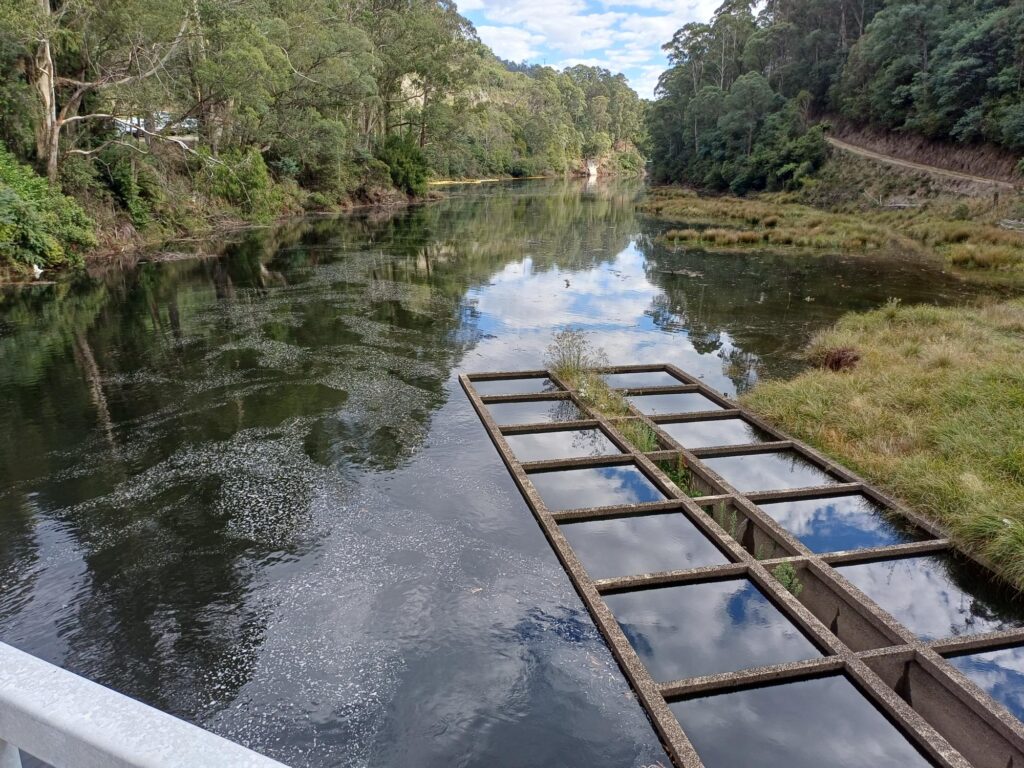
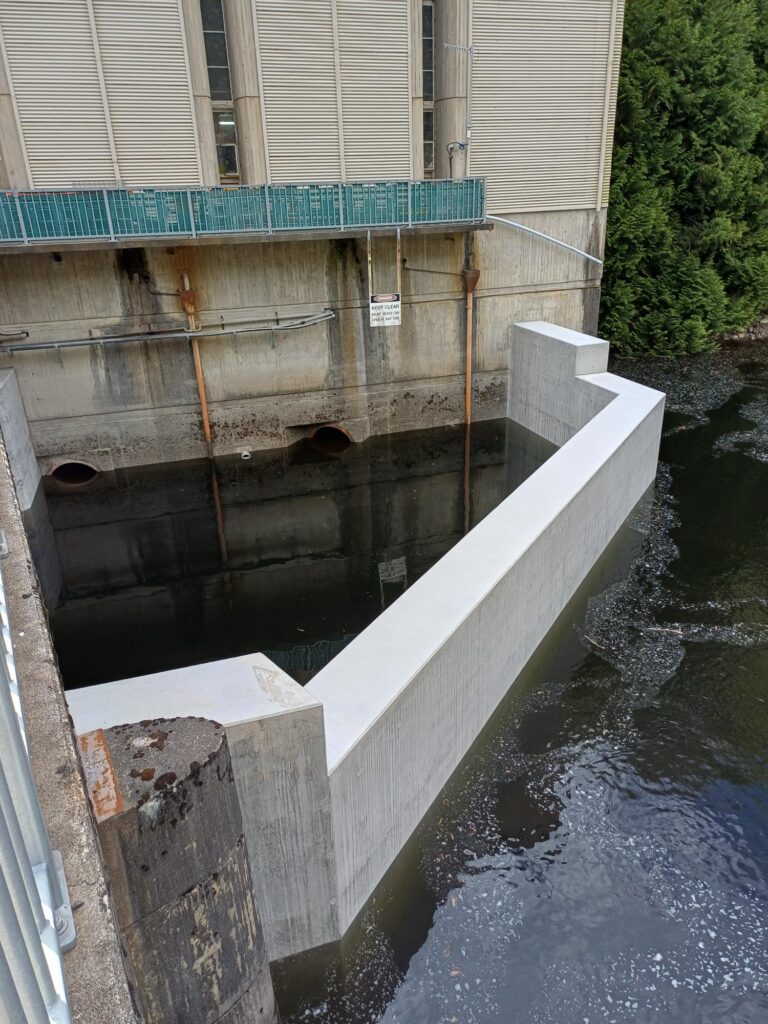
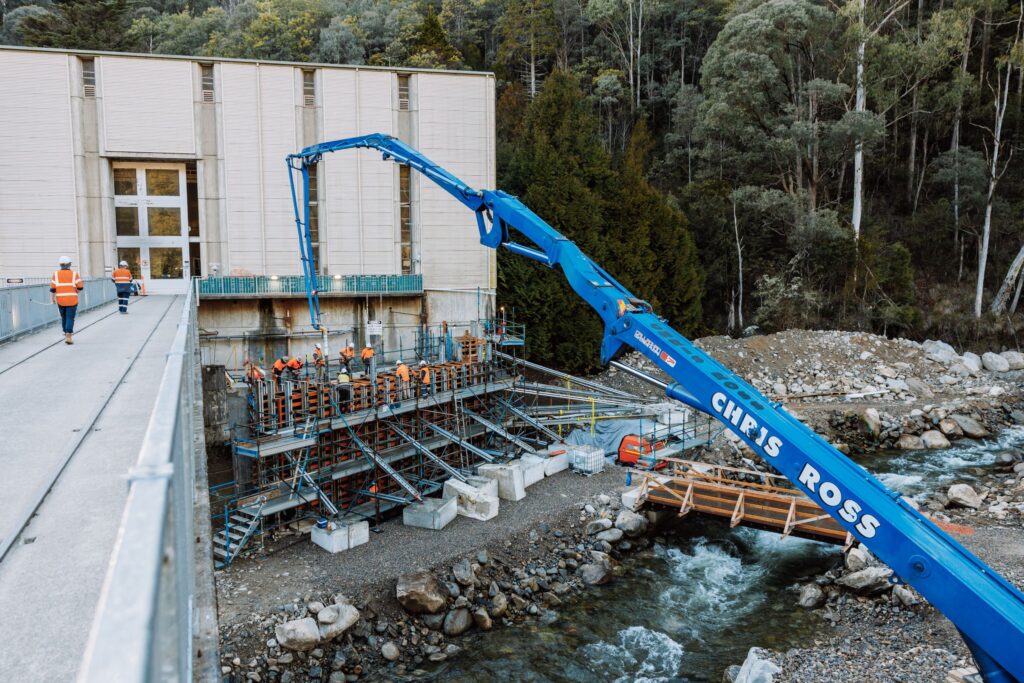
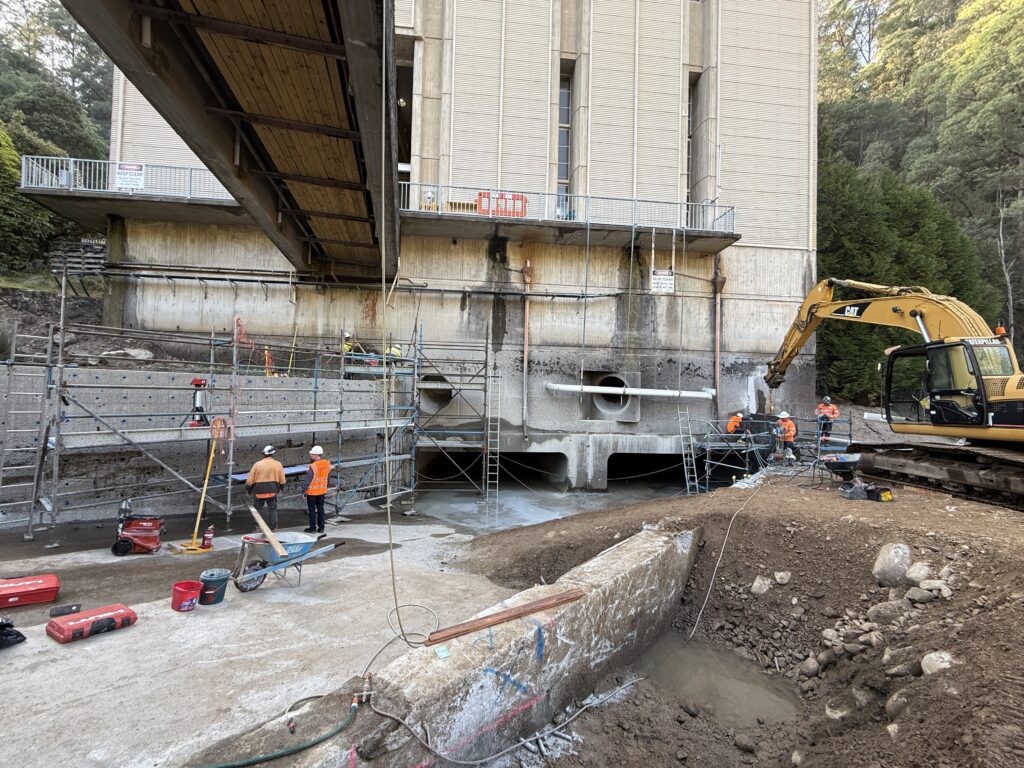
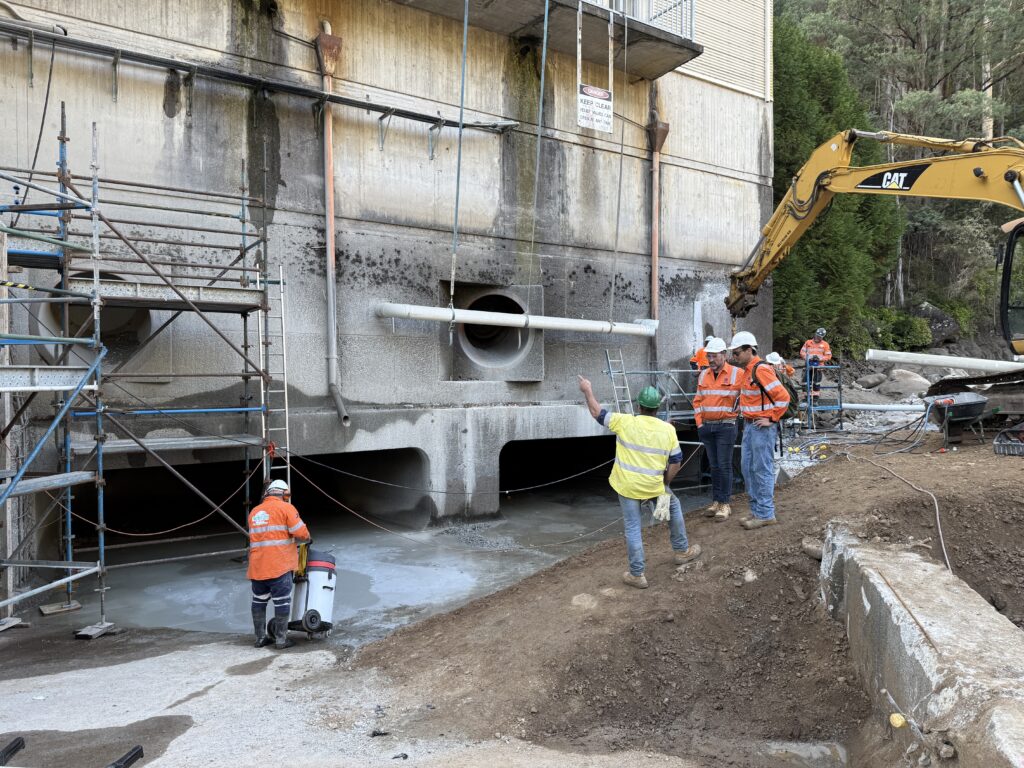
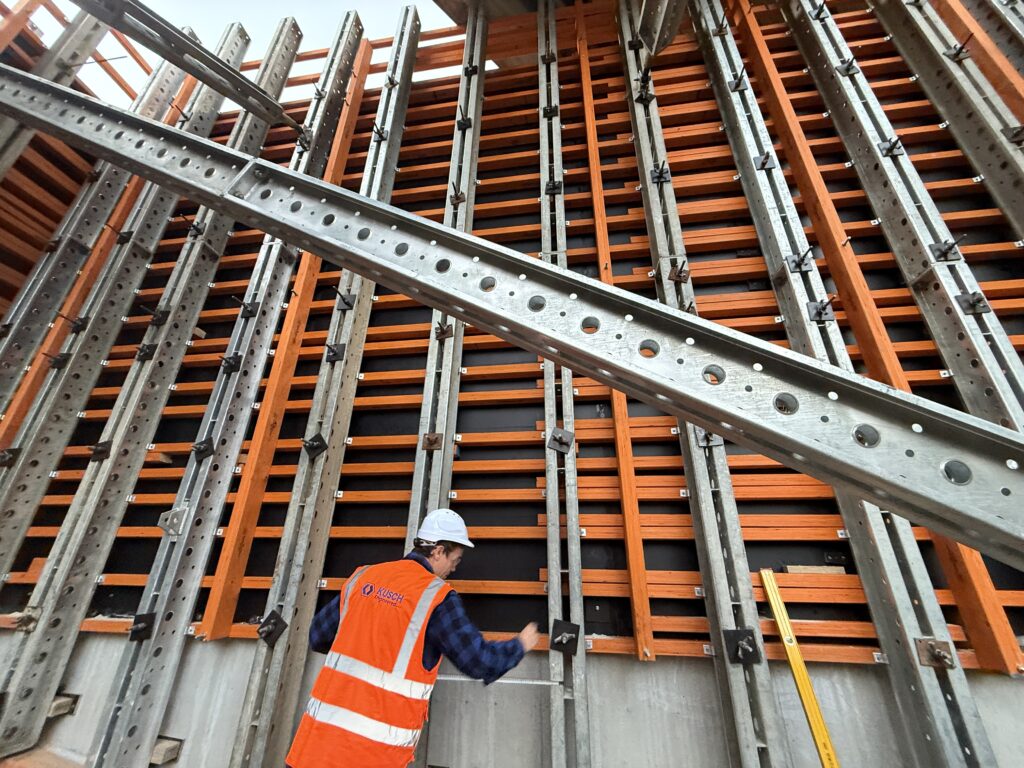
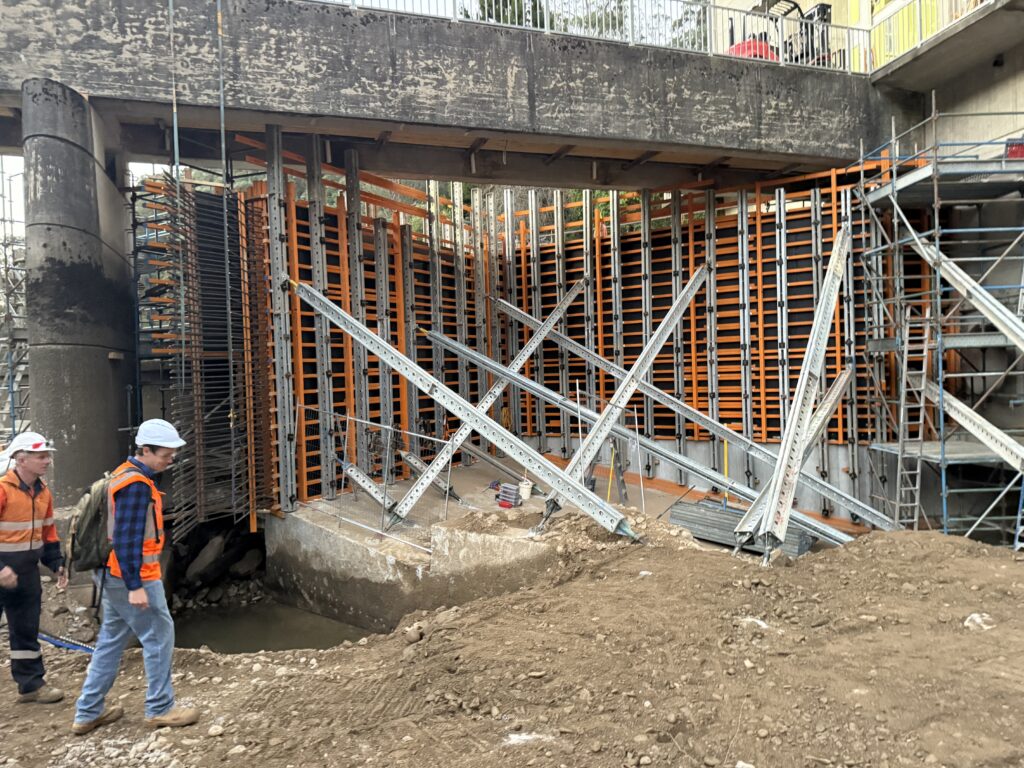
The upgraded turbines required increased backpressure at the tail bay. KUSCH designed a new reinforced concrete retaining structure up to 8m in height, raising the tail bay wall to meet the hydraulic requirements of the new equipment. The design was developed to integrate with the existing structure and meet current code requirements.
2. Verification of the existing concrete structure
A full structural assessment of the existing building was required to determine the capacity and response to the new turbine loads. With original design documentation dating from the 1940s, this involved retrieving records archived on microfilm, converting imperial units, and studying historic material properties and drafting conventions.
Assessment of the existing turbine floor stiffness was critical to evaluating the resonant frequencies of the new turbine. Extensive in-situ testing was completed to determine the compressive strength and Youngs modulus of the 80-year-old. These properties were used with detailed finite element analysis (FEA) modelling, and the results were then fed back to the turbine manufacturer GE to inform their own analysis and optimisation of the new units.
3. Main Inlet Valve plinth, floor penetrations, and floor strengthening
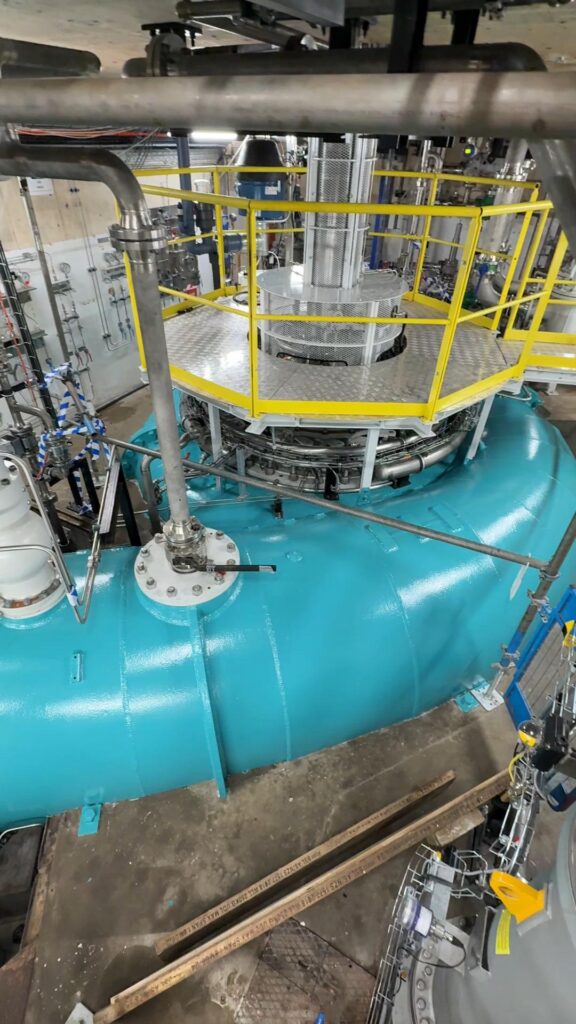
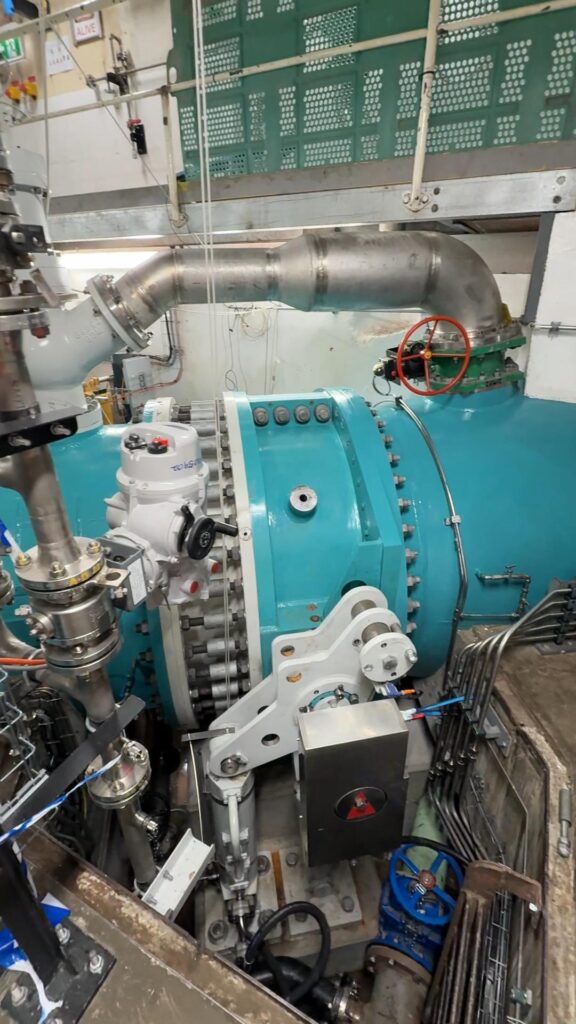
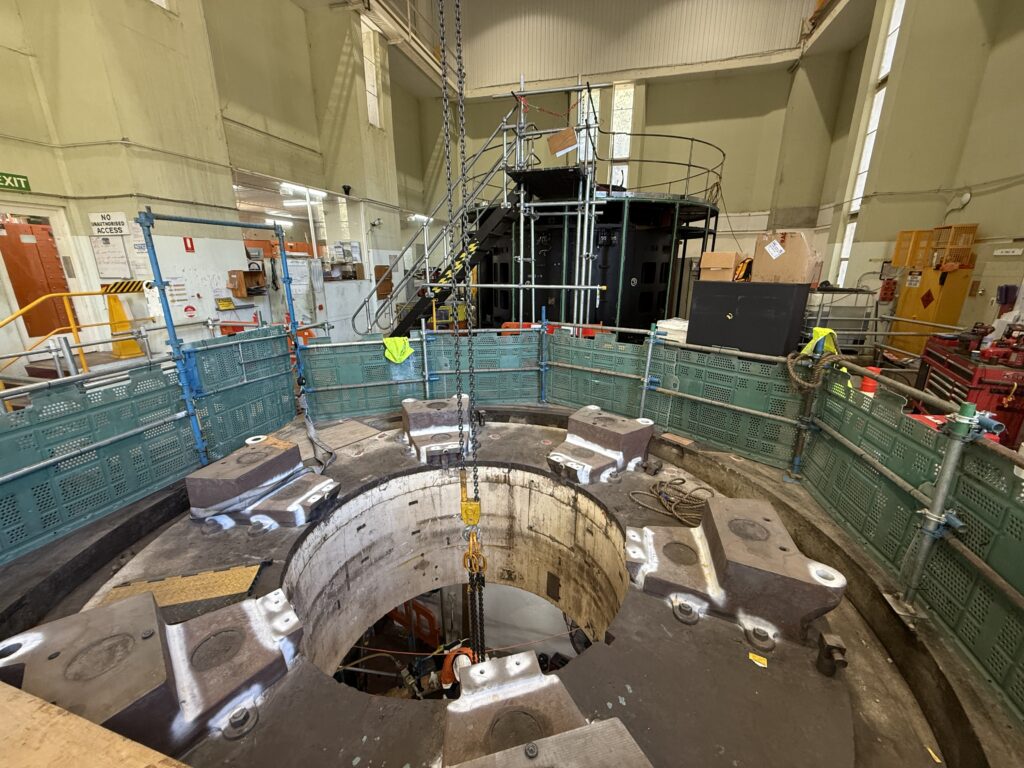
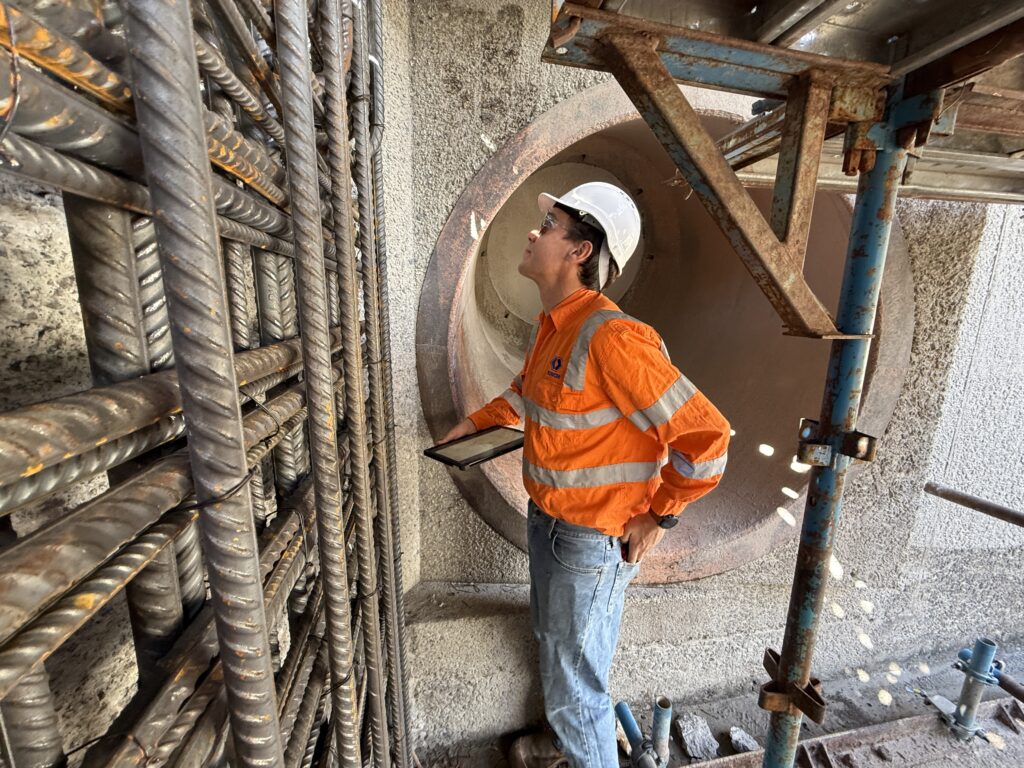
Reactions from the new Main Inlet Valve were substantial and required the design of a significant plinth to distribute these loads affectively. Numerous penetrations through the main floor had to be analysed to enable coring works for services to be completed. And investigations also revealed the need to increase the shear capacity of the main floor beams. KUSCH worked with specialists from Hilti to design post-installed shear reinforcing bars that were cored and chemically bonded within the high shear zones of the floor.
4. Temporary works
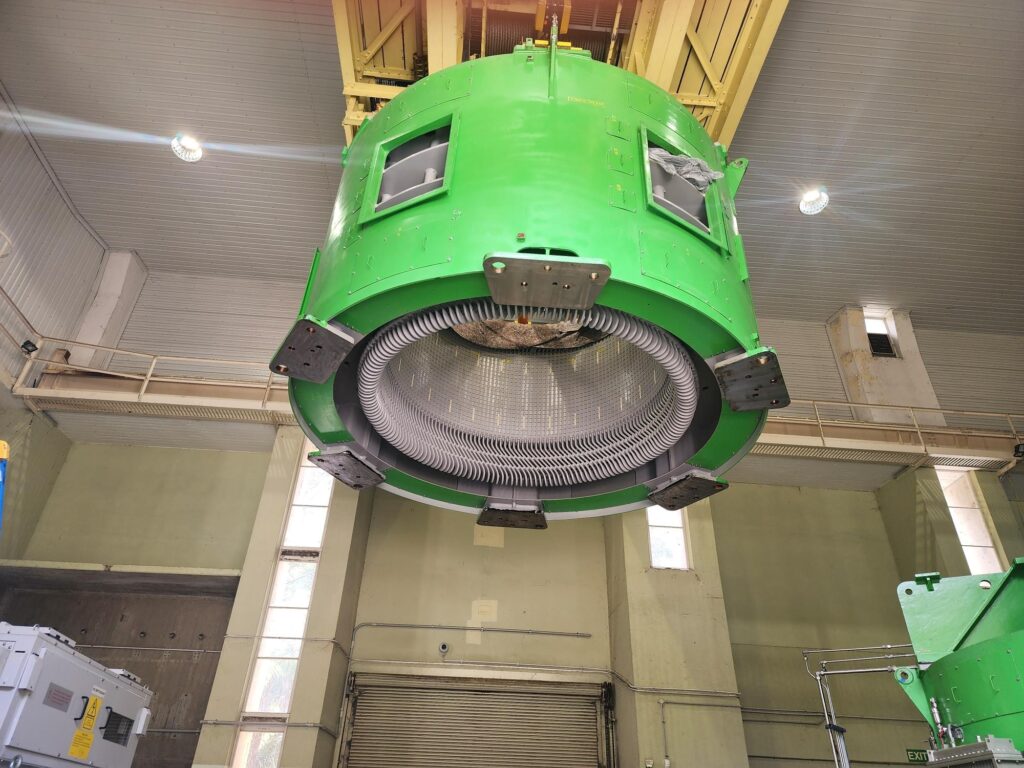
The removal and replacement of rotors and stators in a confined powerhouse environment required careful design and certification of temporary works plans. KUSCH delivered lifting lug design for rotor and stator removal, load path verification for the Self-Propelled Modular Transporter (SPMT), rating of temporary and existing access bridges, and formwork design, providing construction engineering support across the full removal and installation sequence.
5. Additional scope
As the program progressed, KUSCH delivered additional structural support including design of the new transformer bund and shelter, a rock trap deflector, load rating of floor penetration covers, and the servo motor anchors that control the turbine guide vanes.
What this project demonstrates
The Clover Modernisation Project has demonstrated that aging infrastructure can be successfully refurbished. Detailed concrete investigations are required, but this can enable the accurate structural assessment of aging concrete buildings, which is critical where significant investments in renewal works are proposed.
Interested in how KUSCH can support your next infrastructure project? Contact our team today.